
When engine cooling system leaks threaten downtime, these stop-leak products offer fast, permanent sealing without a full rebuild. This guide highlights five top options, identifies who benefits most, and explains why each choice works. Ideal buyers include DIYers fixing minor radiator, head gasket, or block leaks, truck and car owners seeking a one-step fix, and fluid enthusiasts wanting antifreeze-compatible formulas.
Summary of selected products:
| Product | Best For | Why Choose | Limitations |
|---|---|---|---|
| Bar’s Leaks 1109 Liquid Copper Block Seal | General cooling-system leaks | One-step, permanent repair; antifreeze compatible | May require proper circulation for full sealing |
| K-Seal ST5501 | Leaks in radiators, heads, blocks | Seals multiple leak types; no flushing | Results can vary by leak size |
| BlueDevil Radiator & Block Sealer | Radiator and engine-block leaks | No solids or fibrous material; durable seal | Requires correct amount for system size |
| K&W 401016 Block Seal Permanent Metallic | Casts, blocks, and radiators | Permanent molecular seal; wide compatibility | More robust formulation may be overkill for tiny leaks |
| Bar’s Leaks Block Seal Head Gasket Fix | Head gasket and seal leaks | One-step, antifreeze-compatible | Heavy-duty formula; ensure proper operation window |
Bar’s Leaks 1109 Liquid Copper Block Seal

Features: Permanently fixes coolant leaks; antifreeze compatible; one-step pour directly into radiator; seals leaks in plastic, aluminum, and cast iron heads, blocks, gaskets, and radiators. The formula uses sodium silicate liquid glass to form a durable seal as the system circulates.
Best for: General cooling-system leaks across cars, trucks, vans, SUVs, and RVs. It’s suitable for buyers seeking a straightforward, no-drain solution that works with their current antifreeze mix.
Why selected: It combines a simple application with broad material compatibility and a permanent-seal promise, reducing the need for invasive repairs.
Caution: Ensure the engine is at normal operating temperature and the system is not overfilled before adding, to promote effective sealing.
K-Seal ST5501 Multi-Purpose One Step Coolant Leak Repair
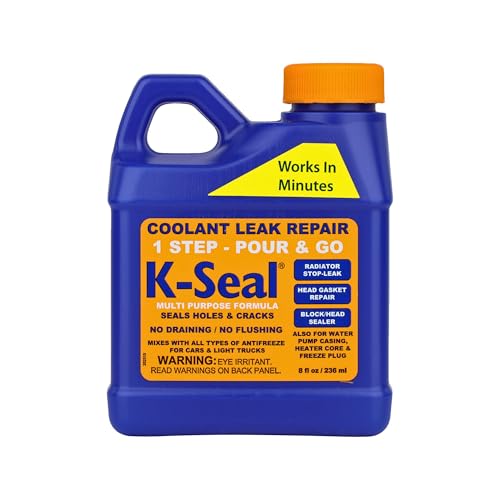
Features: Seals leaks in radiators, heads, freeze plugs, block, heater matrix, and water pump. Quick fix in minutes; compatible with all antifreeze types; suitable for cars and light trucks up to 12 cylinders.
Best for: Buyers facing diverse leak locations within a cooling system who want a single solution that works across different parts of the engine. It’s especially useful when leaks appear in more than one area.
Why selected: The product targets multiple leak points with one application, aiding users who can’t readily identify the exact leak location.
Caution: For best results, add according to directions and avoid overfilling the radiator after the seal forms to prevent pressure buildup.
BlueDevil Radiator & Block Sealer – 16 oz

Features: Permanent repair for radiator and block leaks; works on plastic, aluminum, and metal radiators; contains no solids or fibrous materials.
Best for: Users needing a robust seal for both radiator leaks and engine-block leaks without clogging or adding fibrous debris to the system.
Why selected: Its non-clogging formula reduces the risk of downstream blockages and supports consistent sealing in mixed-material cooling systems.
Caution: Proper dosing is essential; overuse can hinder water flow or create excess seal material in restricted passages.
K&W 401016 Block Seal Permanent Metallic
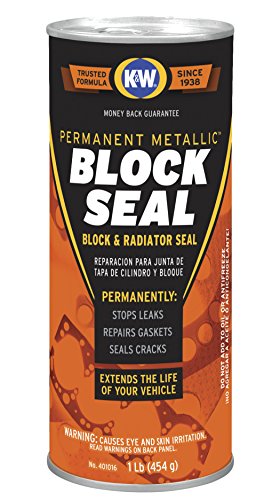
Features: Permanent molecular seal, strong enough to seal cracks and holes in cast iron and aluminum engine blocks; seals head gaskets, freeze plugs, and radiators; compatible with all water-cooled diesel and gasoline vehicles.
Best for: Buyers with pronounced engine-block or gasket leaks who want a high-strength seal that targets multiple critical areas of the cooling system.
Why selected: The metallic-based seal aims for a long-lasting fix across several components, reducing the need for multiple products.
Caution: This formulation is powerful; follow directions to avoid unintended sealing in tight passages or misapplied areas.
Bar’s Leaks Block Seal Head Gasket Fix
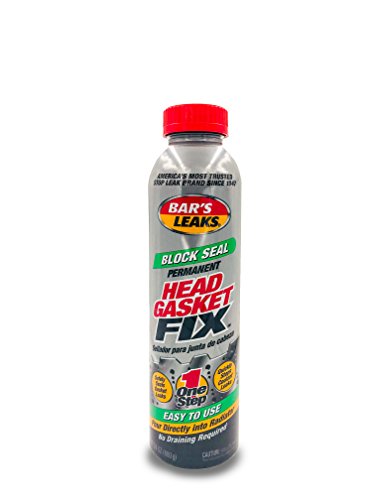
Features: One-step formula combining antifreeze-compatible sealing liquid and gasket-sealing particles to penetrate gaps and cracks. Repairs head gaskets, intake gaskets, cracked blocks, and seals other coolant leaks. No draining required, and suitable for idle operation up to 20 minutes without overheating.
Best for: Vehicles with head gasket or gasket-related leaks where a quick, minimally invasive remedy is preferred to avoid a full teardown.
Why selected: It targets severe leaks around the head gasket and surrounding areas with a strong penetrating seal, designed for engines that can idle safely during application.
Caution: This is a heavier-duty solution; ensure the engine can idle without overheating during the application window to maximize effectiveness.
Buying Guide: How To Choose The Right Engine Block Stop Leak
- Leak Location: Identify whether the issue is in the radiator, engine block, head gasket, or a combination. Some products target multiple points, others focus on specific areas.
- Material Compatibility: Check antifreeze compatibility and material types (plastic, aluminum, cast iron). Some formulas require no draining.
- Seal Strength: Permanent metallic or silicate-based seals offer longer-term fixes. If leaks are large or ongoing, multiple applications or a professional assessment could be needed.
- System Size: Radiator and engine volume vary. Choose a product with dosing guidance that matches your vehicle’s cooling system size.
- Application Process: Look for one-step pour-and-go formulas if you prefer quick DIY fixes. Avoid products requiring complex disassembly unless you’re prepared for more involved repairs.
- Safety and Cleanliness: Some products can leave residues. Ensure compatibility with your maintenance plan and avoid cross-contamination with oil or fuel systems.
FAQ
- Do engine block stop leaks permanently fix leaks? Some formulas promise permanent sealing under certain conditions, but results vary by leak type and system cleanliness.
- Can I drive after adding a stop-leak product? In most cases, yes, but monitor coolant levels and engine temperature and follow product-specific instructions.
- Will stop-leak products clog my radiator or passages? Reputable formulas avoid clogging; however, excessive use or wrong match for the leak can cause buildup.
- Is it safe to mix different brands? Mixing products is generally not recommended as it can cause unexpected reactions or reduced effectiveness.
- Should I flush my system before applying a stop-leak? Some products require no flushing, while others recommend a flush for best bonding; follow the product manual.
- When should I seek professional repair? If leaks persist after multiple attempts, or if you notice overheating, coolant loss, or white smoke, consult a mechanic.
