
Engine leak sealers help stop oil leaks and restore gasket and seal integrity. This guide highlights five reliable options, who they’re best for, and practical buying tips. Ideal for DIYers, commuters, and truck owners seeking affordable sealing solutions without major repairs. The products below are selected for different engine types, oil histories, and leak severity to help you choose the right sealer.
Product Comparison Snapshot
| Product | Brand | Best For | Notes |
|---|---|---|---|
| ATP Automotive AT-205 Re-Seal | ATP Automotive | Rubber seals and gaskets in diverse systems | Professional strength resealer; works with various oils |
| Bar’s Leaks OS-1 Oil Seal | Bar’s Leaks | Main seals and gaskets; broad engine compatibility | Renews worn seals; may require proper dosage for diesel |
| STP High Mileage Oil Treatment + Stop Leak | STP | High-mileage vehicles; seals and wear protection | Includes ZDDP anti-wear additive |
| Lucas Oil 10278 Engine Oil Stop Leak | Lucas Oil | General use on various engines | Simple, compact package |
| Bar’s Leaks Rear Main Seal Repair | Bar’s Leaks | Rear main and hard-to-stop leaks | Specifically designed for rear main seals |
ATP Automotive AT-205 Re-Seal Stops Leaks

Features: Professional strength fast-acting resealer; stops leaks fast; rejuvinates all rubber seals & gaskets in engines, transmissions, power steering, differentials and hydraulic systems; compatible with conventional and synthetic oils, ATF, gear oil, power steering fluids and hydraulic oil.
Best for: DIY users who want a robust, all-in-one seal rejuvenator across multiple systems. Why selected: Versatile formula targets seals in engines and other hydraulic systems, making it a strong first-line option for mixed-use vehicles. Caution: Result timing varies by leak size; some leaks may require repeated applications or professional service for persistent leaks.
Bar’s Leaks OS-1 Oil Seal Engine Oil Burning and Leak Repair

Features: Repairs leaking main seals and gaskets; works in gasoline and diesel engines including turbocharged, EcoBoost, hybrid, and racing engines; renews worn valve seals and guides; stops oil burning and blue exhaust smoke across multiple cylinder configurations.
Best for: Vehicles showing oil seepage from seals and minor burning symptoms. Why selected: Broad compatibility makes it a solid choice for older or high-mileage engines with common seal leaks. Caution: For severe console leaks or engine damage, professional diagnosis is advised.
STP High Mileage Oil Treatment + Stop Leak

Features: Protects high-mileage engines; high-viscosity additive with ZDDP anti-wear agent; stops leaks, reduces noise and smoking; suitable for cars, light trucks, and SUVs; added during oil changes.
Best for: Owners of aging vehicles with minor leaks and increased oil consumption. Why selected: Combines leak stop with wear protection, potentially extending engine life. Caution: Not a quick fix for severe leaks; monitor oil levels after use.
Lucas Oil 10278 Engine Oil Stop Leak

Features: Auto oil product type; compact package with essential dimensions and weight information.
Best for: People seeking a straightforward stop-leak option for a range of engines. Why selected: Simple, broad-use product that is easy to apply during routine maintenance. Caution: Check compatibility with your engine oil specification before use.
Bar’s Leaks Rear Main Seal Repair
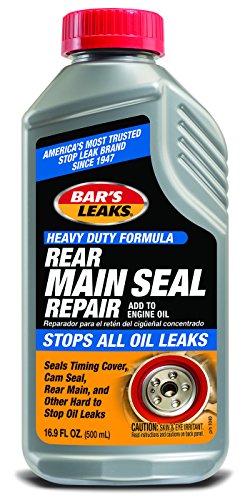
Features: Seals timing cover, cam seal, rear main and other hard-to-stop oil leaks; add to engine oil; specifically designed to seal rear main leaks but works well on other leaks too.
Best for: Vehicles with rear main seal or other hard-to-stop oil leaks. Why selected: Tailored to the toughest leaks, offering a focused solution for critical gaskets. Caution: Rear main seals are a common weak point; progress may be slow for extensive damage.
Buying Guide: Engine Leak Sealer Essentials
What type of leak is present?
Identify whether the leak is from seals, gaskets, or a main seal. Some products target seals broadly, while others are designed for rear main or timing cover leaks. Choose a sealer that specifically addresses the leak area you see.
Vehicle age and oil history
High-mileage vehicles often benefit from seal-restorative formulas with wear protection, such as those containing ZDDP or elasticity restorers. For newer engines, lighter formulations may suffice to stop minor drips.
Compatibility and engine type
Check oil type compatibility (conventional, synthetic, ATF). Diesel engines, turbocharged setups, and hybrids may require products rated for those systems. Always verify that the sealer is compatible with your engine’s oil and fuel system.
Application and dosage considerations
Follow dosage recommendations and application timing. Some sealers require minimal idling after application; others perform best during an oil change. Avoid overuse, which can affect oil flow and filter performance.
Severe leaks and when to seek professional help
Leak sealers are often a first-line fix for minor leaks. Large, active leaks or leaks accompanied by overheating, smoke, or significant oil loss may indicate engine damage requiring professional repair.
Durability and maintenance impact
Some products restore elasticity and seal integrity for a period, while others offer wear protection alongside leak stopping. Consider whether you want ongoing engine protection in addition to stopping leaks.
FAQ
- Can engine leak sealers fix severe leaks? They are typically intended for minor leaks and seal restoration. Severe leaks often require professional diagnosis and repair.
- Are these sealers compatible with synthetic oils? Many are designed to work with both conventional and synthetic oils, but check the product label for confirmation.
- Do sealers affect engine warranty? Using sealers may interact with warranty terms; consult your vehicle’s warranty policy and a service professional if in doubt.
- How soon can I drive after applying a sealer? Follow the product’s instructions; some require a short idle period or a drive cycle after application.
- Which sealer is best for a rear main seal leak? Products specifically marketed for rear main seals or those labeled for hard-to-stop leaks are typically best choices.
- Should I replace gaskets or seals after using a sealer? If a leak persists or recurs after treatment, a mechanical inspection is advised to determine gasket or seal replacement needs.
