
If you’re shopping for a pressure washer engine or a related gas-powered unit, focus on reliability, compatibility, and fuel efficiency. This guide highlights top engines and engines-based machines suited for homeowners, professionals, and handy do-it-yourselfers. The featured products include replacement engines for popular brands and a few ready-to-use gas pressure washers. Read on to find which option best fits your needs, from small-upgrade replacements to full-power cleaning machines.
| Product | Best For | Key Benefit |
|---|---|---|
| BILT HARD 7HP Gas Engine | Homemade or DIY pressure washers, small contractors | Strong torque and versatile mounting options |
| Aceup Energy 7HP Engine | Budget-conscious homeowners, portable projects | Compact 7HP gas engine with recoil start |
| YSHUSTGY GX160 7.5HP Engine | Go-karts, generators, pressure washers | Durable build with solid cooling design |
| Honda GX200 6.5HP Engine | Long-term, high-availability replacements | Reputable brand with proven performance |
| Westinghouse WPX3400 Gas Pressure Washer | Large cleaning jobs, decks and driveways | High PSI and flow with onboard features |
BILT HARD 7HP Gas Engine Horizontal Shaft

The BILT HARD engine is designed for compatibility with common 3/4″ shaft applications, including pressure washers and other power equipment. It features a 212cc displacement, 7 horsepower, and a maximum 3600 RPM, with a compact footprint suitable for vertical or horizontal mounting. The 5/16″-24 UNF threaded end and 3/16″ keyway support precise mounting and belt or pulley setups. This engine is best for DIYers replacing engines on lightweight pressure washers or mixers, and for contractors who need a versatile power source on multiple machine types.
Best for: DIY enthusiasts and small contractors needing a versatile, repair-ready engine for pressure washers and similar tools. Why selected: strong torque at an efficient RPM and broad compatibility with common shaft specs. Limitation: installation requires compatible mounting patterns and hardware, so verify fit before purchase.
Aceup Energy 7HP 212cc Engine
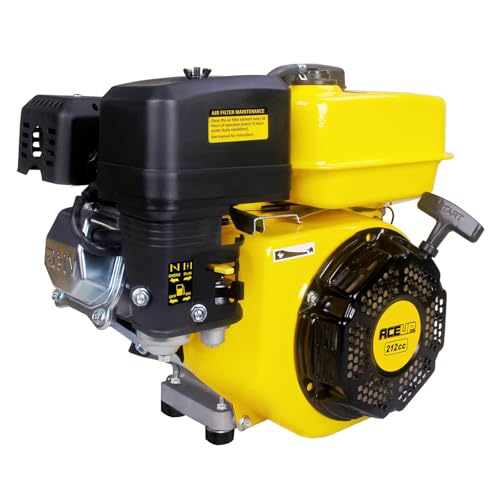
The Aceup Energy engine mirrors a 3/4″ shaft diameter with a 2-3/8″ length, a 5/16″-24 UNF threaded end, and a 3/16″ keyway. Built as a 4-stroke, air-cooled OHV gas motor with recoil start, it delivers 7HP at 3600 RPM and carries a 0.9 gallon fuel tank. This model supports pressure washer and other outdoor equipment applications, including log splitters and water pumps. Choose this if you need an affordable, recoil-start replacement for a compact machine fleet.
Best for: Budget-minded buyers replacing engines in pressure washers and similar equipment. Why selected: compact, straightforward recoil-start design with compatible shaft specs. Caution: verify your equipment’s mounting pattern and exhaust clearances before swapping engines.
YSHUSTGY GX160 7.5HP Engine

The YSHUSTGY GX160 engine offers 7.5HP and a 212cc displacement, designed for multiple outdoor power tasks. Its durable blend of aluminum, iron, and plastic plus a powder-coated finish helps resist rust and wear. The cooling design supports longer operation periods for sustained tasks like pressure washing or lawn care. This engine is well-suited for homeowners who need a reliable power source for frequent, mid-range cleaning and outdoor projects.
Best for: Homeowners and DIYers seeking a robust GX160-class engine for a range of outdoor tools. Why selected: strong torque, good cooling, and durable construction. Limitation: some users may require additional parts for full compatibility with specific machines.
Honda Engine GX200 6.5HP

The Honda GX200 is a trusted, widely used 6.5HP engine with a 196 cm3 displacement and air-cooled four-stroke OHV configuration. Known for durability and easy access to parts, this engine is a long-term option for pressure washers and similar tools. It’s best for buyers who prioritize brand reliability, wide support, and proven performance in demanding outdoor work.
Best for: Buyers seeking a durable, widely supported engine for pressure washers and other equipment. Why selected: longevity, parts availability, and established performance. Caution: ensure your mounting pattern matches the engine’s shaft and frame design to avoid fit issues.
Westinghouse WPX3400 Gas Pressure Washer

The Westinghouse WPX3400 pairs a 3400 PSI, 2.6 GPM pressure output with an onboard 0.9-gallon fuel tank, a 25-foot hose, and five quick-connect nozzles. It uses a gas-powered engine and an axial cam pump designed for heavy-duty cleaning applications, including decks and driveways. This unit is best for those who want an all-in-one machine with a solid balance of power, portability, and onboard accessories.
Best for: Homeowners who prefer a ready-to-use gas pressure washer with multiple spray options. Why selected: high cleaning power and included nozzle set. Caution: heavier than some handheld units, so storage space and transport need consideration.
Buying Guide
What to consider when choosing a pressure washer engine or engine-powered unit:
- Compatibility: Check shaft diameter, length, and keyway, plus mounting patterns. Most 3/4″ shafts with 2-3/8″ length and a 3/16″ keyway are common.
- Power and RPM: For pressure washers, 6.5–7HP engines at 3600 RPM typically provide strong performance while balancing fuel use.
- Fuel and tank size: Larger tanks extend operation between refuels; consider 0.9 gallon tanks as a common size for portable engines.
- Cooling and durability: Aluminum/steel construction and effective air cooling improve longevity under continuous use.
- Replacement availability: Choose engines from brands with widely available parts and service networks.
- Integrated features: Recoil start is common for smaller engines; consider electric start if you need easier starts in cold weather.
Quick comparison by need
- Best overall replacement engine: BILT HARD 7HP — strong torque, versatile mounting.
- Best value engine: Aceup Energy 7HP — compact and affordable, recoil start.
- Best for GX160-class builds: YSHUSTGY GX160 7.5HP — durable and well-suited for multiple tools.
- Best for reliability and parts availability: Honda GX200 6.5HP — well-known and repair-friendly.
- Best all-in-one machine: Westinghouse WPX3400 — complete pressure washer with multiple nozzles.
FAQ
- What is the most common shaft size for pressure washer engines?
Most common is 3/4 inch shaft diameter with a 2-3/8 inch length and a 3/16 inch keyway; verify with your equipment’s shaft and mounting.
- Do new engines require professional installation?
Some installations are straightforward for DIYers, but verify mounting patterns, belt/pulley alignment, and wiring or recoil-start connections if needed.
- Is a recoil-start engine suitable for cold-weather use?
Yes, recoil start is simple, but electric-start models can offer easier starts in cold conditions.
- Can a pressure washer engine be used in other tools?
Yes, the same engine can power generators, log splitters, and water pumps if mounting and shaft specs align.
- What should I inspect before buying a replacement engine?
Check displacement, horsepower, RPM, fuel tank size, mounting pattern, shaft specs, and compatibility with your existing frame.
- Are replacement engines always compatible with my exact model?
Not always. Confirm shaft size, engine mounting footprint, and start type with the specific machine you intend to power.
