
Answering the question a buyer asks most: which riding mower engine delivers dependable power, easy starting, and long life? This guide highlights five engines well-suited for typical riding mowers, spanning brands from Briggs & Stratton to Kawasaki. It explains who each engine is best for, why it stands out, and any notable limitations. Use the buying guide to compare features like displacement, OHV design, oil lubrication, and starting methods to pick the right match for your mower model and yard size.
Product Comparison Snapshot
| Engine | Displacement | Type | Best For | Key Benefit |
|---|---|---|---|---|
| Briggs & Stratton Intek Series, 19 HP | 540 cc | Single Cylinder OHV | Homeowners with mid-size lawns | Electric start; Dura-Bore sleeve for longevity |
| Briggs & Stratton 31R907-0007-G1, 500cc | 500 cc | Single Cylinder | Riders needing smooth operation | Cast iron sleeve; dual element air filter |
| Briggs & Stratton 33S877-0043, 19 HP Vertical | 540 cc | Vertical OHV | Compact mower footprints | Balanced performance; electric start option |
| 24 HP Intek Series Engine, 724cc | 724 cc | Inline/Horizontal | Higher power needs | Common replacement for consumer mowers |
| Kawasaki 24hp, 726cc | 726 cc | OHV V-Twin | Premium power and durability | V-Twin configuration with robust output |
Briggs & Stratton Intek Series, 19 HP Engine

The Intek 19 HP engine is designed for riding lawn mowers, featuring a full pressure lubrication system with an oil filter and a Dura-Bore cast iron cylinder sleeve. The OHV design promotes cooler operation and longer valve life, while the electric start simplifies first cranks. Best for homeowners with mid-sized lawns who need reliable start and extended engine life. A potential limitation is its single-cylinder setup, which may feel less smooth at very high RPMs compared with multi-cylinder options.
Briggs & Stratton 31R907-0007-G1 500cc Engine

This 500cc Briggs & Stratton engine uses a cast iron cylinder sleeve and a dual element air filter for extended life, with a float carburetor for consistent starting and operation. The patented linear balancing system aims to reduce vibration for smoother performance. Choose this if you want smoother operation and a proven replacement in many riding lawn mowers. Limitation: single-cylinder design may be less quiet than multi-cylinder equivalents in some users’ perception.
Briggs and Stratton Vertical Engine 19 HP 540cc

This vertical 19 HP engine features a cast iron sleeve and dual element air filter for longevity, plus a patented linear balancing system for smoother operation. It supports electric start and includes a muffler. Best for riders needing a compact, vertical-mount option with reliable starting. Limitation: may be heavier to install than basic horizontal units in some mower setups.
24 HP 724cc Intek Series Engine

With 724cc displacement and a 24 HP rating, this engine is a common replacement choice for consumer riding mowers and Z-turns. Its 1″ x 3-5/32″ shaft and standard shaft tapping support easy integration into existing mower decks. Best for those upgrading to higher power output while maintaining compatibility. Caution: ensure shaft and mounting points match your mower model to avoid fit issues.
Aceup Energy Gas Engine Vertical Shaft, 4.4HP

Despite its lower horsepower, this 4-stroke, OHV vertical engine is compact and includes a recoil start with a primer for easier cold starts. Max torque is modest, making it best for small to medium yards with lighter mowing tasks. Choose this if you need a compact, budget-friendly option for smaller mowers. Limitation: not ideal for heavy-dense grass or large-acreage mowing.
Kawasaki 24hp Vertical Shaft Engine
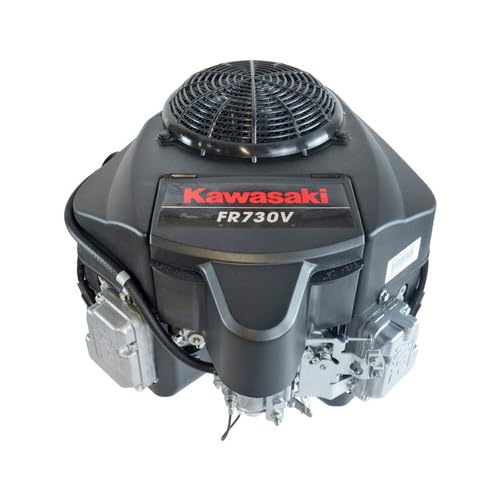
This Kawasaki 24hp engine features a 726cc OHV V-Twin configuration, a 1″ x 3-5/32″ shaft, and a robust power profile. It is well-suited for larger yards and demanding mowing tasks, delivering strong torque and smoother operation under load. Limitation: V-Twin units can be heavier and more complex to install compared to smaller, single-cylinder engines.
Briggs & Stratton 44S977-0032-G1 25 GHP
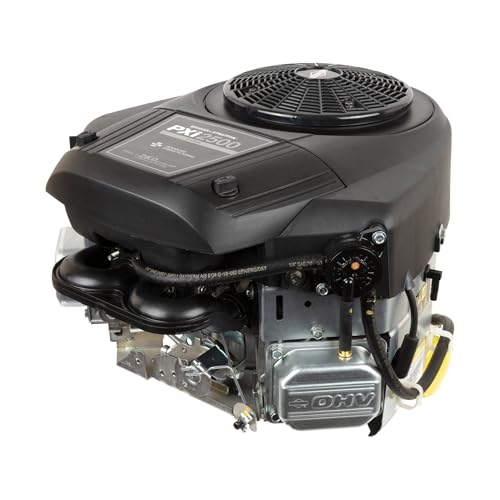
With a 25 GHP rating and a dura-bore cast iron sleeve, this vertical shaft engine emphasizes durability and steady operation. It uses OHV design for cooler running and full pressure lubrication with an oil filter. Best for users seeking a balance of power and longevity in a vertical package. Limitation: higher horsepower may demand more robust mounting and cooling considerations in compact mowers.
Briggs & Stratton 725EXi Series
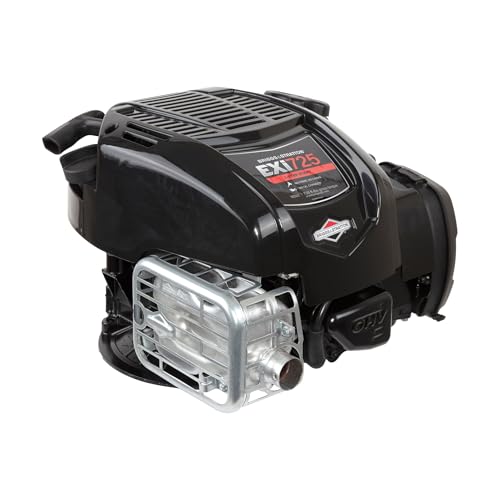
This single-cylinder, air-cooled 4-cycle engine emphasizes maintenance ease with the Check and Add technology that minimizes oil changes. Ready Start eliminates the need for priming or choking to start, while Magnetron electronic ignition supports reliable starting. Best for those who want minimal routine maintenance and quick starts. Limitation: may have limited power compared to larger horsepower engines in very heavy mowing conditions.
Buying Guide: Key Considerations When Choosing a Riding Mower Engine
What mower size and terrain are you servicing?
Higher horsepower and larger displacement engines are better for large, uneven, or tough terrain. For small to mid-size lawns, a single-cylinder OHV often provides adequate power with good efficiency.
How important is starting ease?
Electric start and starter systems, like Ready Start or magnetron ignition, reduce effort during cold starts. If you frequently start after mowing, prioritize engines with reliable starting features.
What about durability and maintenance?
Look for features such as cast iron cylinder sleeves (Dura-Bore), full-pressure lubrication with a filter, and air filters. These contribute to longer engine life and easier maintenance intervals.
Should you prefer vertical or horizontal mounting?
Vertical shaft engines save space and suit compact mower designs; horizontal shafts are common in larger or ride-on mowers and may deliver slightly different torque characteristics. Check your mower model’s compatibility before purchasing.
How important is replacement compatibility?
Some engines are designed as direct replacements for common models. If you are upgrading or replacing, matching shaft size, mounting footprint, and exhaust routing is essential to avoid fit issues.
Cost versus longevity
More powerful engines with advanced features often cost more upfront but may save maintenance and replacement costs over time. Balance initial investment with expected mowing workload and maintenance plans.
FAQ
- What engine size is best for a typical home lawn? A mid-range engine (around 500-540 cc, 18-19 HP) offers dependable performance for standard lawns without overburdening your mower.
- Is an electric start worth it? Yes for ease of starting, especially in cold weather or for users who prefer minimal cranking effort.
- Are vertical shaft engines harder to install? Installation complexity depends on mower design; always verify mounting compatibility with your deck and mounts.
- Which engine is best for very large lots? Higher displacement and multi-cylinder configurations (like V-Twins) provide better load handling and smoothness for large areas.
- Do replacement engines require professional installation? Not always, but verify mounting, fuel, exhaust routing, and electric connections; some installations benefit from professional help.
- What maintenance helps engines last longer? Regular oil changes, using recommended oil type, keeping air filters clean, and ensuring proper lubrication improve longevity.
