
Answering your search: the best RV brake controllers provide proportional or time-delayed braking control, are easy to install or transfer between vehicles, and work with common 7-way connections. This guide highlights top picks for different towing needs—whether you want portable, Bluetooth-enabled control, or a robust setup for multi-axle trailers. The top picks below suit lighter travel trailers, mid-size RVs, and serious haulers. A quick table compares the five recommended products to help you decide at a glance.
| Product | Best For | Key Benefit |
|---|---|---|
| CURT 51180 Echo | Travel trailers, portable use | Bluetooth smartphone control, wireless transfer |
| LAJBZ Electronic Brake Control | Proportional braking, easy diagnostics | Self-diagnostics, LED display |
| CURT 51116 Venturer | Low-profile installs | Time-delay, adjustable ramp |
| Gihdfer Proportional 8508211 | 1–4 axle trailers, vehicles with heavy towing | LED display, proportional control |
| REDARC Tow-Pro Link | Dual modes, app/remote control | 6-axis sensor, Bluetooth/app control |
CURT 51180 Echo Mobile Electric Trailer Brake Controller

The CURT 51180 is a portable, wireless brake controller designed for easy transfer between vehicles. It uses Bluetooth to connect to a smartphone, turning the app into the brake interface. This setup suits buyers who tow with multiple vehicles or want a non-permanent install. The device supports proportional braking for smoother stops and provides status updates via the app, helping drivers optimize braking force on different loads. Choose this if you value mobility and digital control, with the caveat that you’ll rely on your phone for adjustments and monitoring.
- Best for: Towing with multiple vehicles without permanent wiring.
- Why selected: Portable, Bluetooth-enabled, and easy to monitor on a phone.
- Limitation: Requires smartphone access and safe, stationary adjustments during setup.
LAJBZ Electronic Brake Control

LAJBZ’s Proportional Trailer Brake Controller emphasizes a smooth, proportional braking response for 1–4 axle trailers. It features a clear digital display that shows real-time status and diagnostics, helping operators spot issues quickly. The controller includes a manual override with boost settings so drivers can adjust braking power on the fly, which is helpful for different loads or weather. Best for: drivers who want clear diagnostics and adjustable braking for varied trailers. Caution: Installation and compatibility checks with your specific vehicle are recommended to ensure proper wire routing.
- Best for: Smooth proportional braking and on-the-fly adjustments.
- Why selected: Real-time diagnostics and a user-friendly display aid reliability.
- Limitation: Self-diagnostics require proper interpretation of status indicators.
CURT 51116 Venturer Next Electric Trailer Brake Controller

The CURT Venturer 51116 offers a slim, low-profile design with a unique bracket system to maximize dash clearance. It provides fully adjustable power and ramp time, making it a flexible choice for modestly sized RVs and trailers. Best for: vehicles where space is at a premium and a discreet install matters. Consideration: While compact, verify that the mounting area has enough clearance for your vehicle’s wiring harness and dash space.
- Best for: Low-profile installation with flexible ramp timing.
- Why selected: Modern aesthetic without sacrificing control options.
- Limitation: May require careful mounting to avoid obstruction in tight spaces.
Gihdfer Brakeman IV Time-Delayed Electric Trailer Brake Controller
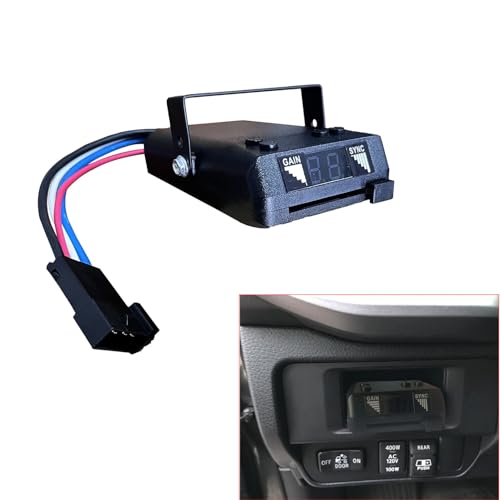
The Gihdfer Brakeman IV uses a time-delayed braking approach to manage smooth stops for trailers with 1–4 axles. It supports a broad compatibility range across common vehicle brands, helping users who tow many different rigs. The LED display clearly shows current braking force, enabling easy adjustment. Best for: towing with a variety of vehicles where predictable delayed braking improves control. Limitation: Time-delayed systems may feel different in emergency braking scenarios compared with proportional controllers.
- Best for: Broad compatibility and predictable delayed braking.
- Why selected: Clear LED readout and adjustable braking delay support varied loads.
- Limitation: Not as quick to respond as proportional systems in rapid stopping scenarios.
REDARC Tow-Pro Link Electric Trailer Brake Controller
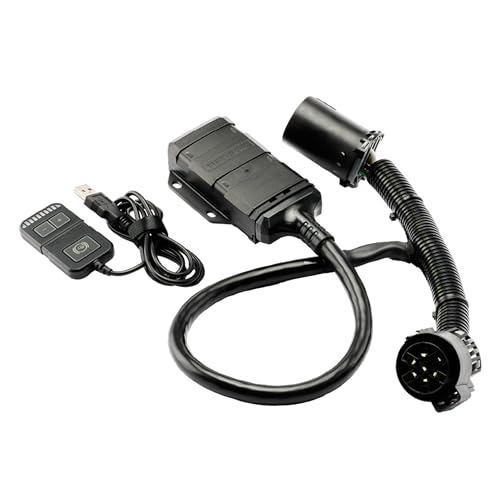
REDARC Tow-Pro Link blends a 6-axis sensor with dual braking modes and plug-and-play installation. It supports control via a remote or app, with Bluetooth enabling on-the-fly adjustments for proportional braking. This option suits drivers who tow heavier loads or RVs and want precise control via modern interfaces. Best for: RV enthusiasts who value sensor-assisted sway control and app-based adjustments. Caution: Check compatibility with your vehicle’s wiring and ensure the app is available on your device.
- Best for: Dual braking modes and sensor-assisted stability.
- Why selected: Combines automatic proportional braking with flexible remote/app control.
- Limitation: Requires Bluetooth pairing and app availability for full use.
Buying Guide: Key Purchase Considerations
What type of braking control fits your towing style? Proportional controllers adjust braking effort based on vehicle deceleration, while time-delay controllers apply brakes after a set delay. Proportional models are generally preferred for smoother, more predictable stopping, especially on longer tows. If you switch between vehicles often, a portable, Bluetooth-enabled unit like the Echo series can save wiring time. For multi-axle trailers, confirm the maximum number of axles supported and the ramp/rate settings you can customize. Installation ease, dash space, and the availability of a smartphone app for real-time monitoring are practical factors.
Durability and diagnostics matter. Models with clear digital displays or LED indicators help you monitor brake status on the road. Some units include self-diagnostics to flag issues before they become problems, which is valuable for frequent travelers or commercial tows. Consider whether you prefer a hands-on approach with manual override and boost settings or a more automated, sensor-assisted solution like the REDARC Tow-Pro Link.
Compatibility is essential. Verify that the controller supports your vehicle’s axle count (1–4 axles), your trailer type, and your 7-pin wiring. Some controllers are plug-and-play with 7-way connectors, while others require wiring and mounting brackets. Always consult the user manual for mounting height, wiring layout, and calibration steps.
FAQ
- What is the difference between proportional and time-delayed brake controllers?
Proportional controllers adjust braking based on deceleration to match vehicle braking effort; time-delayed controllers apply brakes after a preset delay, which can feel harsher on long, dynamic stops. - Do I need a Bluetooth-enabled brake controller?
Not strictly required, but Bluetooth-enabled units offer easier setup, monitoring, and adjustments from a smartphone, especially when switching vehicles. - How many axles can a typical trailer brake controller manage?
Most controllers support 1–4 axles, but always verify the specific model’s axle capacity before purchase. - Can I install a brake controller myself?
Many units are designed for do-it-yourself installation with plug-and-play 7-way connections, but some setups may require professional wiring. - Is a low-profile brake controller preferable?
Yes, when dash space is limited, a slim unit minimizes interference with dashboard controls and improves visibility. - What should I check before buying?
Ensure compatibility with your vehicle, trailer axles, wiring harness, and mounting space; read the installation manual for calibration needs and safe operation reminders.
