
Finding the right wheel balancing machine depends on your setup, budget, and how often you service wheels. This guide highlights five solid options that cover hobbyist use, light-duty shop work, and more automated, space-efficient needs. Each pick suits different buyers: portable, budget-conscious users; small repair shops; and mid-size garages needing faster, more durable equipment. Below, you’ll see a quick product comparison and then detailed section-by-section insights with practical buying tips.
Summary table of selected products
| Product | Best For | Key Benefit | Limitations |
|---|---|---|---|
| Hkysnoa Portable Bubble Wheel Balancer | Home garages, DIY wheels | Bubble level for quick accuracy, ultra-portable | Manual balancing suitability varies by tire size |
| AUTOKATO KT-710G | Entry-level shops | Microprocessor-based for steady balancing | Basic feature set compared to multi-function units |
| Portable Mini I40 PRO | Compact spaces, travel-ready | USB-C powered, lightweight | Limited power and features vs. full-size units |
| KATOOL KT-B760 / KT- combo | Mid-size shops | Integrated changer and balancer, robust clamps | Requires more space and setup |
| JUTA JWB-100 | Mobile repair or remote work | USB-powered, very portable, strong spindle | Basic balancing features; calibration interval guidance |
Hkysnoa Portable Bubble Wheel Balancer

This portable wheel balancer targets DIYers and light-duty users who need speed and portability. It uses a bull’s eye level to help balance wheels of most cars and light trucks quickly, then stores away easily due to its lightweight, rust-resistant base. Best for: hobbyists balancing occasional tires, or a small shop that prioritizes mobility over high-volume throughput. A clear caveat is that it may not deliver as many advanced diagnostics as bigger, dedicated shop balancers, so consider it a supplemental tool for quick turns rather than a full-service balancing system.
AUTOKATO KT-710G Wheel Balancer

The KT-710G is a microprocessor-based wheel balancer designed to reduce tire imbalance and its related issues, such as vibration and steering wheel movement. This makes it suitable for small shops or mobile service units that need reliable, steady balancing without complex programming. Best for: shops that require straightforward, dependable balancing without abundant extra features. Limitation: fewer advanced diagnostics or automation features that higher-end models offer.
Portable Mini I40 PRO Wheel Balancer
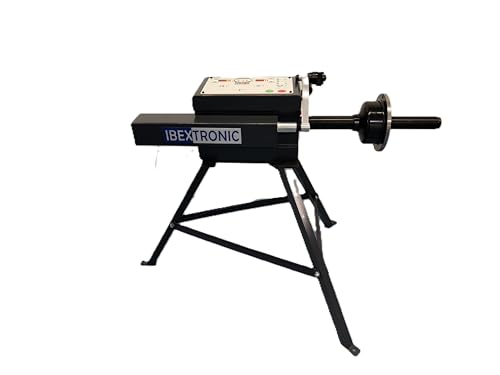
The I40 PRO is a compact, USB-C powered balancer intended for home workshops and lightweight jobs. It emphasizes portability and ease of use, with a focus on aluminum rims. Best for: DIY enthusiasts who need a space-saving unit that runs on common USB power. Caution: its lighter build means it may not match the durability or speed of full-size shop machines for high-volume operations.
KATOOL KT-B760 Automatic Wheel Balancer

This model blends a robust balancer with a tire changer setup, making it well-suited for mid-size shops that need efficient mount-and-balance workflows. Best for: shops expanding beyond manual balancing, or facilities requiring dependable bead seating and rim protection. Limitation: larger footprint and setup complexity compared with standalone balancers or compact units.
KATOOL 2.0HP Tire Changer Bead Blaster Combo

This combo unit offers a single integrated tire changer and balancer experience, with a focus on throughput and operator ease. Best for: busy shops seeking a streamlined process from mounting to balancing with durable clamps and a protective design. Caution: requires adequate space and a higher initial investment compared with solo balancer units.
XK New 2.0 Horsepower Balancer and Changer

This 580 Tire changer and related setup delivers a compact yet capable combination for shops that need to manage mid-range rims and tires with reasonable speed. Best for: small garages seeking a durable, all-in-one unit that can handle frequent tire changes. Limitation: 110V operation may require compatible electrical setup in some spaces.
JUTA JWB-100 Wheel Balancer

The JWB-100 is USB-powered and designed for mobile or limited-space setups. It emphasizes a reliable testing spindle and a straightforward calibration routine that is easy to manage for frequent users. Best for: technicians who need a portable, low-power balance option, or garages that serve remote locations. Limitation: primarily basic balancing features; advanced diagnosis may require higher-end models.
Buying Guide: Practical Factors to Consider
When choosing a wheel balancer, buyers should consider motor power, measurement technology, and how the unit fits into their workflow. The following questions help map needs to a model.
- What is my expected wheel size and tire volume? Larger clamps and wider rims require bulkier machines; smaller DIY setups benefit from compact, portable options.
- Do I need an integrated tire changer? Shops with high-volume tire work often prefer combo units to minimize movement between stations.
- How important is power source and portability? USB-C or battery-powered options are ideal for mobile repair work; 110V AC units suit fixed shop spaces.
- What level of automation is needed? Microprocessor-based units offer more consistent results and easier setup, while basic models favor simplicity and lower cost.
- What is the available workspace? Balance machines with tall spindles and large clamps require more floor space; compact models fit tight spaces.
FAQ
- What wheel sizes do these machines typically handle? Most models cover common passenger and light-truck rims; clamp ranges and diameter limits vary by unit. Check the clamp range before buying.
- Is calibration required for all wheel balancers? Many require periodic calibration; some mobile or USB-powered units have longer intervals or built-in self-calibration hints.
- Can I use these machines for alloy rims? Yes, but protective covers and proper mounting technique reduce rim damage risk.
- What maintenance do these machines need? Regular cleaning, lubrication of moving parts, and inspecting air lines and meters help ensure longevity and accuracy.
- Do these units replace professional balancing? They can handle many common balancing tasks, but high-volume shops may need more robust diagnostic tools and automation for peak throughput.
- Are there safety considerations? Always follow manufacturer instructions for clamps, mounting heads, and air pressure to prevent rim damage and personal injury.
