
If you’re seeking to boost horsepower, torque, and engine sound, a high-quality cold air intake system can help your engine breathe easier. This guide highlights five top options and explains who each is best for, with practical comparisons to help you choose the right one for your ride.
| Product | Best For | Vehicle Compatibility |
|---|---|---|
| K&N Cold Air Intake System: 63-3082 | Most versatile for GM trucks and SUVs | Chevrolet/GMC Silverado 1500, Suburban, Tahoe, Sierra 1500, Yukon, Escalade, 2014-2020 |
| K&N Cold Air Intake System: 77-2617KC | Power boost for Ford trucks | Ford Expedition, F-150, F-150 Raptor, 2015-2026 |
| GESEXI 4″ Cold Air Intake + Heat Shield | Value-focused upgrade with shielding | GMC/Chevy Silverado 1500/2500/3500 (1999-2006 V8 4.8L/5.3L/6.0L) |
| K&N NextGen 50-1578 | RAM 1500 performance | RAM 1500 (2019-2026) |
| K&N NextGen 50-1563 | Dodge/Jeep high-flow intake | Durango, Grand Cherokee (2011-2026) |
K&N Cold Air Intake System 63-3082 For GM Trucks

Features include a guaranteed horsepower and torque increase, less restrictive airflow, and a dyno-tested performance claim. The system is designed to deliver a deeper engine bark and improved throttle response. Best for owners of GM trucks and SUVs who want a straightforward, proven upgrade and a noticeable sound improvement during acceleration. Caution: verify exact vehicle fitment and mounting requirements for your year/model before purchase.
K&N Cold Air Intake System 77-2617KC For Ford

Best for Ford Expedition and F-Series trucks seeking a durable, dyno-backed upgrade with improved intake noise that still remains manageable at cruising speeds. It promises a guaranteed horsepower/torque increase and a growl under acceleration. Better for owners who value a strong aftermarket fit with documented dyno results. Limitation: ensure compatibility with your specific F-150 trim and year for the best fit.
GESEXI 4″ Cold Air Intake + Heat Shield

Best for older GM trucks needing a shielded intake with a traditional steel heat shield and carbon-black coating. The kit emphasizes improved throttle response and higher horsepower through drawing in cooler air. Choose this if you want a simple shielded design and clear fit-check guidance. Caution: prior vehicle year/model confirmation is recommended to ensure fitment on specific Silverado/Sierra configurations.
K&N NextGen Cold Air Intake System 50-1578

Best for RAM 1500 owners seeking Dyno-Proven performance with a NextGen airbox and oversized filter. The design promotes lower inlet temperatures and higher airflow, potentially increasing power with stock tunes. Choose this if you drive a recent RAM and want a larger intake footprint for improved breathing. Limitation: some users might notice a slight drone at certain highway speeds depending on vehicle and exhaust setup.
K&N NextGen Cold Air Intake System 50-1563

Best for Dodge/Jeep applications like Durango and Grand Cherokee with a NextGen airbox and oversized filter. This kit emphasizes improved airflow and protection from contaminants, aiming for higher performance without compromising engine protection. Better for owners who want a robust air intake capable of handling varied driving conditions. Caution: verify fitment against your exact Durango or Grand Cherokee year and engine variant.
K&N Cold Air Intake System for Chevy/GMC 2014-2020

Best for general GM trucks and SUVs seeking a proven bolt-on upgrade with a recognizable growl. It promises a horsepower and torque increase with a dyno-backed claim and a signature engine sound change. Use this if you drive a Silverado, Suburban, Tahoe, or similar model and want a straightforward installation with documented performance. Limitation: verify fit for your exact engine variant and intake path configuration.
PTNHZ BMW F10/F11 N55 535i 3.0T 09-16
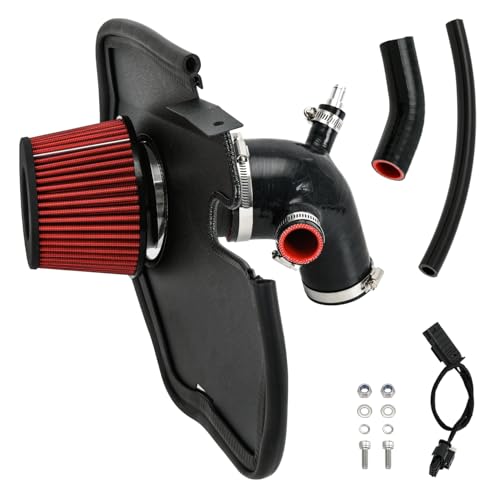
Best for BMW enthusiasts seeking a conical filter with increased surface area and maximal clean air intake. The kit aims to improve throttle response and overall horsepower. Choose this if you own an F10/F11 N55-powered 535i and want a simple, high-flow intake. Caution: this is a niche fitment not suitable for non-N55 engines.
Buying Guide: Key Considerations For Your Intake System
- Vehicle fitment: Always verify exact year, make, model, and engine variant. Some kits are model-specific while others are universal for multiple platforms.
- Airbox design: NextGen systems use larger airboxes and oversized filters for improved airflow. Traditional shields and heat shields help keep intake air cooler.
- Dyno-proven claims: Look for products that provide dyno testing or documented performance gains to support horsepower/torque expectations.
- Sound and drone: Some kits enhance engine sound while others may introduce drone at cruising speeds. Consider your tolerance for cabin noise.
- Installation and maintenance: Check for ease of installation, required tools, and filter maintenance intervals. Reusable filters save long-term cost but may require more care.
- Durability and warranty: Seek robust materials (steel shields, durable housings) and check warranty terms if available.
Frequently Asked Questions
- What is the main benefit of a cold air intake system?
– It increases airflow to the engine, which can improve horsepower and torque and may enhance engine sound. - Will a cold air intake improve fuel economy?
– The impact on fuel economy is variable; some drivers see no change, while others may experience minor improvements under certain driving conditions. - Are there any downsides to installing a cold air intake?
– In some setups, increased airflow can alter air-fuel balance; ensure proper tuning and fitment to avoid potential engine issues. - How do I choose between an open-element and a shielded intake?
– Open-element designs maximize airflow but can draw in more heat; shielded designs help keep intake temps lower in hot environments. - Is a dyno-proven claim necessary?
– Not strictly, but it provides a more reliable benchmark for expected gains and helps compare products across platforms. - Do these kits affect vehicle warranty?
– Warranty impact varies by manufacturer and region; consult your vehicle’s warranty terms and the kit’s policy before installation.
